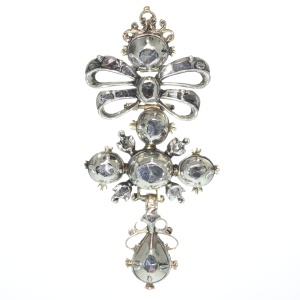

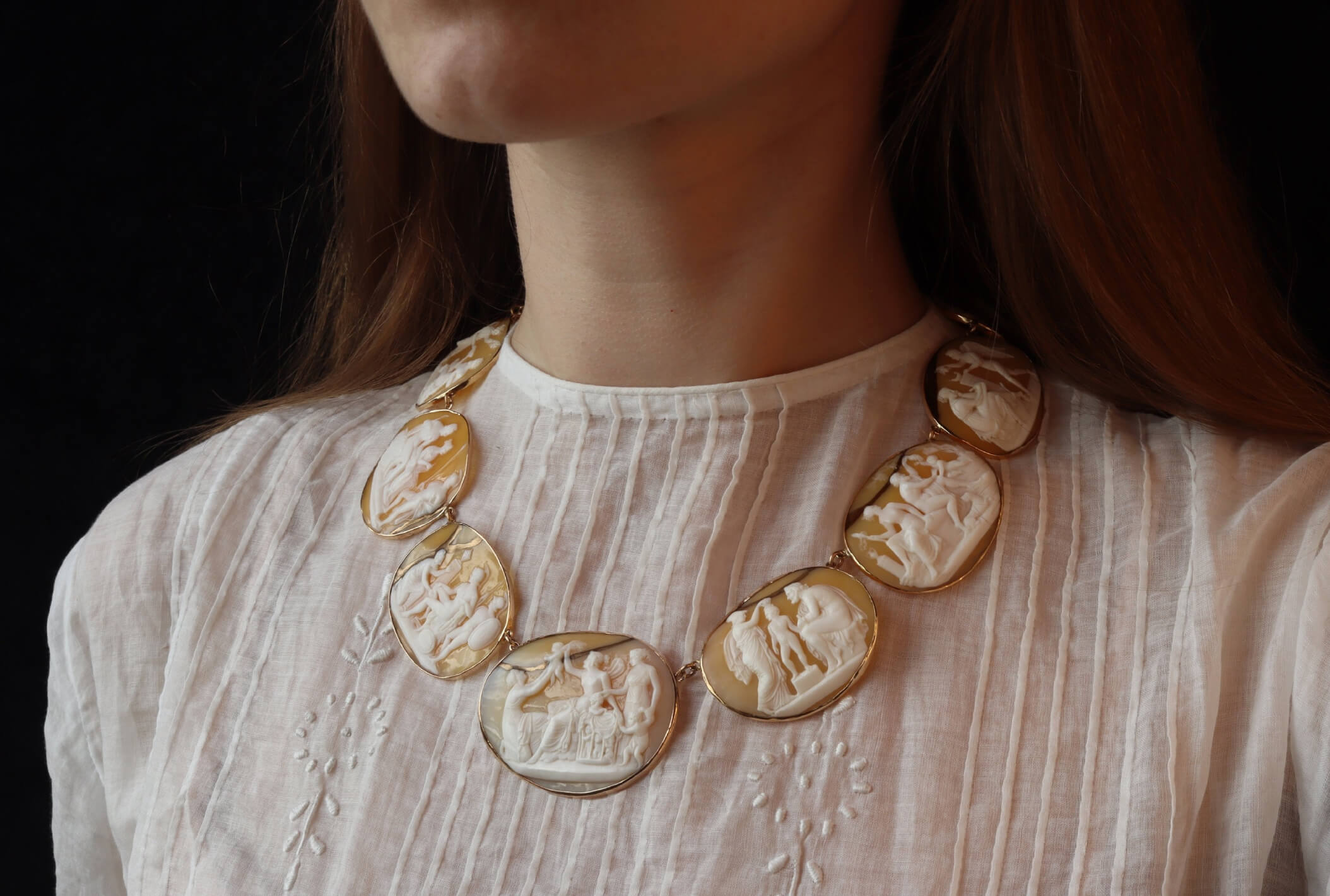
Aiguillette

This glossary entry has not yet been updated and is under review.

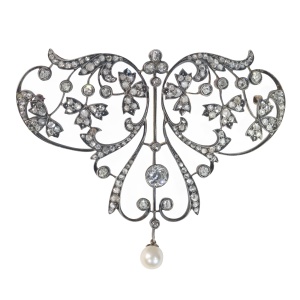
A shoulder knot often jeweled, but also an ornamental braided cord most often worn on uniforms but may also be observed on other costumes such as academic dress, where it will denote an honor.It is French in origin and goes back to the use of horses in battle. A general's aide-de-camp carried a loop of cord to tie up the general's horse during dismount. As a practical approach, the aideswould loop the cord around the epaulette flap on the shoulder of their tunic.

An aiguillette is an ornamental braided cord most often worn on uniforms but may also be observed on other costumes such as academic dress, where it will denote an honor. Originally, the word"aiguillette" referred to the lacing used to fasten plate armour together and particularly to support the arm defences. As such, a knot or loop arrangement was used which sometimes hung down from theshoulder.A series of fanciful legends have developed about the origin of aiguillettes. One account relates that when certain European troops behaved reprehensibly on the field of battle, their commander decidedto hang certain of them. The troops asked to be given a chance to redeem themselves and started wearing a rope and spike about their shoulders with the promise that if they ever behaved badly again,they were ready to be hanged on the spot. It is further related that these troops covered themselves with glory thereafter. Another tale recounts that aiguillettes originated with cord and pencil wornby Generals and staff officers for writing dispatches. Still another account has it that the idea is French in origin and goes back to the use of horses in battle. A general's aide-de-camp carried aloop of cord to tie up the general's horse during dismount. As a practical approach, the aides would loop the cord around the epaulette flap on the shoulder of their tunic. All such accounts have nobasis in fact.Further, it has been argued by gunners that the aiguillette originates with the practice of carrying a pick on a shoulder rope, with which a gun captain would clear the touch-hole of a fouled cannon.Musketeer arguments suggest that the "tags" on the aiguillette are representations of wooden charge-carriers. Another discounted gunner related origin suggests that the "tag" represents a spikecarried by the gun captain with which he would "spike" the gun if capture was imminent. Finally it has been suggested that the aiguillettes derive from the shoulder decoration worn by standardbearers in the French Imperial (Grande) Armee under Napoleon. The standards were topped by the imperial eagle or "aquila". The standard bearers were knownas "aiglettes" to their comrades-in-arms. (From Uniforms of the Sea Service - R.H. Rankin)
Explanation on aiguillette by Adin antique jewelry
Adin Academy

Aiguillette

No items found.

A shoulder knot often jeweled, but also an ornamental braided cord most often worn on uniforms but may also be observed on other costumes such as academic dress, where it will denote an honor.It is French in origin and goes back to the use of horses in battle. A general's aide-de-camp carried a loop of cord to tie up the general's horse during dismount. As a practical approach, the aideswould loop the cord around the epaulette flap on the shoulder of their tunic.

An aiguillette is an ornamental braided cord most often worn on uniforms but may also be observed on other costumes such as academic dress, where it will denote an honor. Originally, the word"aiguillette" referred to the lacing used to fasten plate armour together and particularly to support the arm defences. As such, a knot or loop arrangement was used which sometimes hung down from theshoulder.A series of fanciful legends have developed about the origin of aiguillettes. One account relates that when certain European troops behaved reprehensibly on the field of battle, their commander decidedto hang certain of them. The troops asked to be given a chance to redeem themselves and started wearing a rope and spike about their shoulders with the promise that if they ever behaved badly again,they were ready to be hanged on the spot. It is further related that these troops covered themselves with glory thereafter. Another tale recounts that aiguillettes originated with cord and pencil wornby Generals and staff officers for writing dispatches. Still another account has it that the idea is French in origin and goes back to the use of horses in battle. A general's aide-de-camp carried aloop of cord to tie up the general's horse during dismount. As a practical approach, the aides would loop the cord around the epaulette flap on the shoulder of their tunic. All such accounts have nobasis in fact.Further, it has been argued by gunners that the aiguillette originates with the practice of carrying a pick on a shoulder rope, with which a gun captain would clear the touch-hole of a fouled cannon.Musketeer arguments suggest that the "tags" on the aiguillette are representations of wooden charge-carriers. Another discounted gunner related origin suggests that the "tag" represents a spikecarried by the gun captain with which he would "spike" the gun if capture was imminent. Finally it has been suggested that the aiguillettes derive from the shoulder decoration worn by standardbearers in the French Imperial (Grande) Armee under Napoleon. The standards were topped by the imperial eagle or "aquila". The standard bearers were knownas "aiglettes" to their comrades-in-arms. (From Uniforms of the Sea Service - R.H. Rankin)
Also known as:

References

From: An Illustrated Dictionary of Jewelry, autor: Harold Newman, publishers: Thames and HudsonFrom: Wikipedia