

See our: enamel jewelry.A pigment of a vitreous nature composed usually of powdered potash and silica, bound with oil, coloured with metallic oxides, and applied to porcelain, gold, silver, copper, glass, etc., as a surfacedecoration by low-temperature firing. Enamels are usually mixed with a flux to facilitate melting at a low temperature. They often sink deeply into the glaze of artificial porcelain, but are notabsorbed into the feldspathic glazes of true porcelain or into the surface of gold, silver, copper or glass, and so remain on the surface of these, easily palpable to the finger-tips.The French term is émail, the Italian smalto, and the German schmeltz.
Enamel
This glossary entry has not yet been updated and is under review.
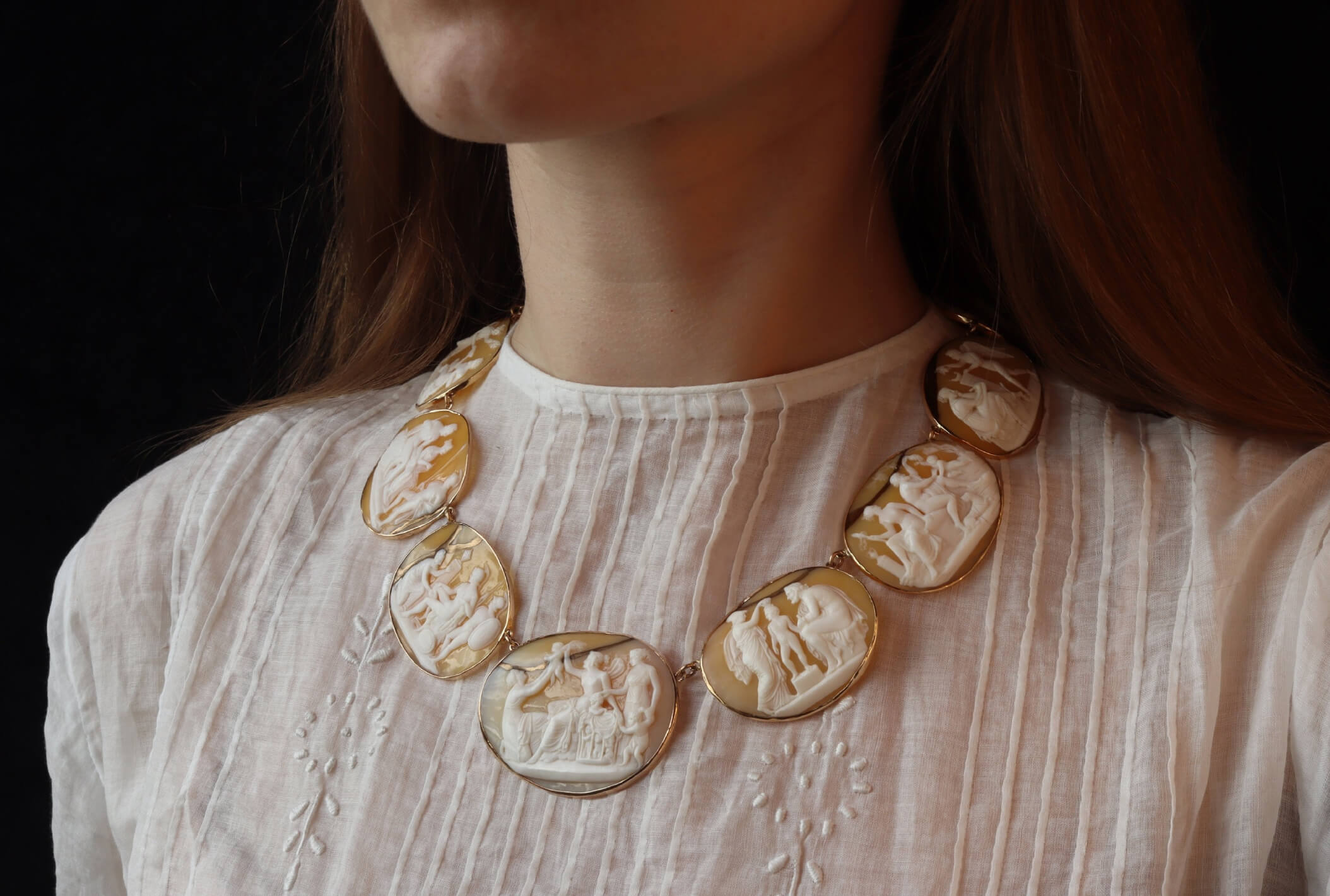
Explanation on enamel by Adin antique jewelry
Adin Academy
Enamel
No items found.
See our: enamel jewelry.A pigment of a vitreous nature composed usually of powdered potash and silica, bound with oil, coloured with metallic oxides, and applied to porcelain, gold, silver, copper, glass, etc., as a surfacedecoration by low-temperature firing. Enamels are usually mixed with a flux to facilitate melting at a low temperature. They often sink deeply into the glaze of artificial porcelain, but are notabsorbed into the feldspathic glazes of true porcelain or into the surface of gold, silver, copper or glass, and so remain on the surface of these, easily palpable to the finger-tips.The French term is émail, the Italian smalto, and the German schmeltz.
Also known as:
References
From: An Illustrated Dictionary of Jewelry, autor: Harold Newman, publishers: Thames and Hudson
Want to share your feedback or input on this Academy article?
Thank you! Your submission has been received!
Oops! Something went wrong while submitting the form.