

An article made in order to be falsely represented and sold as a genuine ancient work, being dependent for its value mainly on the workmanship that it imitates.The making of such pieces is a development of relatively modern times when the demand for old jewelry, as with other antiques, has made their production profitable. Among the articles that have beenforged are gold Greek jewelry (especially intaglio gems) and Etruscan jewelry, medieval finger rings, enamelled Renaissance pendants, and Pilgrim badges.One insidious forgery practice is to reset a genuine old mount with modern stones or paste; another is to sell a forged parure in an old shagreen case or a new case made to fit it and 'aged'.
Forgery
This glossary entry has not yet been updated and is under review.
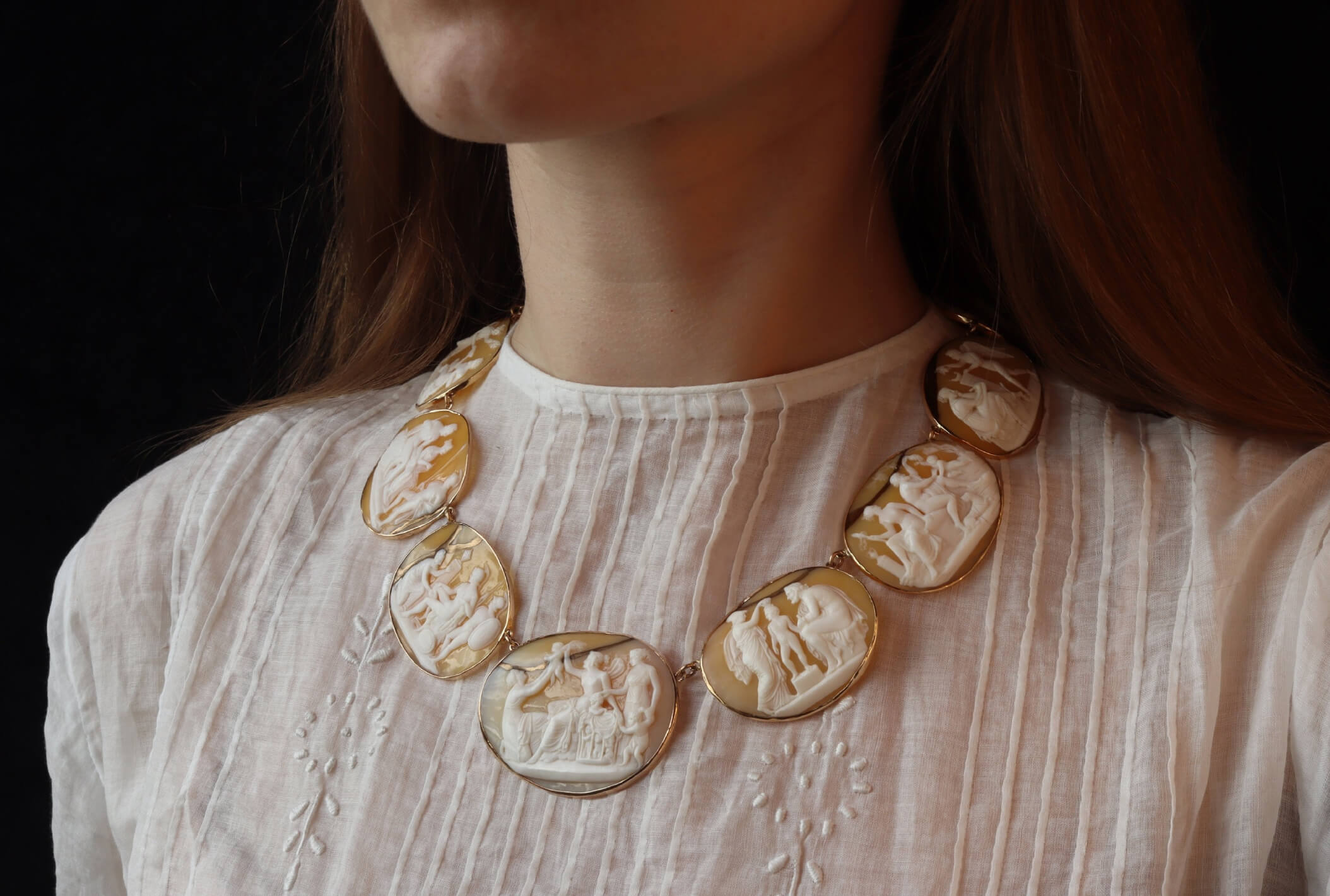
Explanation on forgery by Adin antique jewelry
Adin Academy
Forgery
No items found.
An article made in order to be falsely represented and sold as a genuine ancient work, being dependent for its value mainly on the workmanship that it imitates.The making of such pieces is a development of relatively modern times when the demand for old jewelry, as with other antiques, has made their production profitable. Among the articles that have beenforged are gold Greek jewelry (especially intaglio gems) and Etruscan jewelry, medieval finger rings, enamelled Renaissance pendants, and Pilgrim badges.One insidious forgery practice is to reset a genuine old mount with modern stones or paste; another is to sell a forged parure in an old shagreen case or a new case made to fit it and 'aged'.
Also known as:
References
From: An Illustrated Dictionary of Jewelry, autor: Harold Newman, publishers: Thames and Hudson
Want to share your feedback or input on this Academy article?
Thank you! Your submission has been received!
Oops! Something went wrong while submitting the form.