
Adin Glossary: Styles and periods

Garland Style jewellery

circa 1895 to 1914, bows and wreaths, lace like platinum, diamonds

1. Introduction

Garland Style jewellery reflects the refined elegance of the Belle Epoque, shaped by technical innovation and an ideal of lightness at the turn of the twentieth century.

Emerging in France around 1895, the style favoured delicate platinum settings, soft curves and motifs inspired by classical ornament and eighteenth century decoration. Jewellers created openwork compositions that read like lace, combining structural precision with an impression of graceful ease.

2. Cultural and Historical Influences

The Garland Style developed within the Belle Epoque in France in the late nineteenth and early twentieth centuries. Advances in working platinum enabled fine openwork, echoing the delicacy of eighteenth century decorative arts.

Interest in classical antiquity and the elegance of the French court under Louis XV and Louis XVI shaped an ornamental vocabulary of bows, wreaths and garlands. Affluent international patronage supported it as a marker of refinement, grace and cultured taste.

3. Visual Characteristics and Materials

Garland Style jewellery is defined by delicate platinum work, flowing lines and motifs drawn from classical and eighteenth century ornament. Bow knots, laurel wreaths, ribbon swags and floral garlands are typically arranged in balanced, airy compositions.

Diamonds were often used in varying sizes to create soft gradations of light, while pearls added a subdued refinement. Settings are commonly pierced and openwork, with fine pavé or grain setting and millegrain edging, and may include articulated swags, pendants or tassels. The overall effect is almost weightless, more delicate than many nineteenth century revival jewels and less geometric than later Art Deco designs.

4. Function and Meaning

Garland Style jewellery conveys an ideal of elegance and cultivated taste through motifs derived from classical and eighteenth century ornament.

Bow knots suggest unity and refined decoration, while laurel wreaths evoke honour and distinction. Floral garlands express harmony and natural grace. In the Belle Epoque these motifs often served less as personal symbols and more as expressions of social refinement, artistic heritage and an appreciation of lightness and balance in design. At the same time it is important to remember that perhaps most Garland Style jewels were created and worn simply because their materials, colours or forms appealed, without any further intention than beauty and attraction.

5. Notable Creators and Exemplary Pieces

Leading creators of the Garland Style included Parisian houses such as Cartier and Boucheron, noted for platinum openwork and delicate settings. Designs often feature bow knots, wreaths and cascading garlands, set with diamonds and occasional pearl accents.

Makers such as Lacloche Frères and Maison Fouquet produced refined interpretations combining classical motifs with precise craftsmanship. Typical examples include pendant brooches shaped as ribbon bows, delicate necklaces with graduated diamond swags and tiaras composed of laurel wreaths and floral sprays.

6. How to Recognise the Style

Look for bow knots, laurel wreaths, ribbon swags and floral garlands arranged in balanced, airy compositions.

Diamonds are typically set in fine platinum openwork that gives the impression of lace, often with millegrain edging and fine pavé or grain set work. Gradations come from mixing small and slightly larger stones, and elements may be articulated as swags or pendants. The overall effect is lightness, harmony and precise craftsmanship, distinct from heavier revival ornaments and later Art Deco geometry.

7. Related Styles

The Garland Style forms a bridge between nineteenth century revival movements and the modern aesthetics that shaped early twentieth century jewellery. Its refined platinum work and classical motifs relate closely to Edwardian design, which shares a preference for lightness and precision.

At the same time, it contrasts with Art Nouveau, with its flowing natural forms, and with later Art Deco, with its structured geometry.

8. Legacy

Technical advances during the Garland Style period, particularly in platinum fabrication, continued to influence European jewellery long after the Belle Epoque had passed.

The period’s emphasis on light openwork and refined diamond setting remained a reference point for later makers seeking similar effects.

9. Purpose of This Page

This page offers an overview of the historical Garland Style jewellery style within the context of jewellery history and design. It focuses on what is relevant from the perspective of the jewellery world and does not aim to be a full encyclopaedia on the Garland Style jewellery style. Instead, it strives to offer a concise and structured introduction that outlines key interpretive angles and points towards deeper study. This page is part of the Adin Glossary, a curated resource that brings documented historical knowledge into an ordered and accessible structure. Use and sharing for educational purposes are welcomed, and readers who reference or quote this page are kindly asked to mention Adin as their source.

10. Accuracy Note

Every effort has been made to present this information accurately and in line with current historical understanding. Interpretations may evolve as new research becomes available, and readers who notice points for refinement are welcome to share their insights.

11. Author Attribution

Elkan Wijnberg, Jewellery Historian and Antique Jewellery Specialist – Adin – www.antiquejewel.com
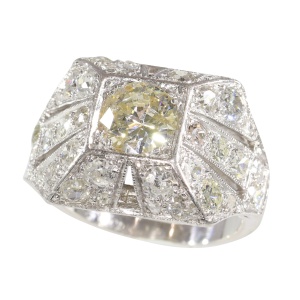
Platinum openwork, like lace, with graduated diamonds and millegrain edges, arranged as bows, wreaths and swags in airy symmetry.

circa 1895 to 1914

Belle Epoque culture, French court taste under Louis XV and Louis XVI, classical antiquity, eighteenth century decorative arts, platinum metallurgy and technical innovation, international aristocratic and bourgeois patronage, revival of bows and garlands, French haute joaillerie traditions

France

bow knots, laurel wreaths, ribbon swags, floral garlands, floral sprays, tassels and pendants, graduated diamond swags, tiaras with wreath and bow motifs, pendant brooches with ribbon bows, light openwork lace patterns

platinum, diamonds in graduated sizes, natural pearls, occasional gold supports, sometimes silver topped, and fine wire openwork structures

platinum openwork and pierced settings, fine pavé and grain setting, millegrain edging, articulated swags and pendants, symmetrical bow and wreath compositions, refined fabrication for tiaras, necklaces and pendant brooches

Edwardian, Belle Époque, Art Nouveau

White-Metal Diamond Lace (light, “lace”, garland, millegrain)

Adin Academy

Garland Style jewellery

No items found.

1. Introduction

Garland Style jewellery reflects the refined elegance of the Belle Epoque, shaped by technical innovation and an ideal of lightness at the turn of the twentieth century.

Emerging in France around 1895, the style favoured delicate platinum settings, soft curves and motifs inspired by classical ornament and eighteenth century decoration. Jewellers created openwork compositions that read like lace, combining structural precision with an impression of graceful ease.

2. Cultural and Historical Influences

The Garland Style developed within the Belle Epoque in France in the late nineteenth and early twentieth centuries. Advances in working platinum enabled fine openwork, echoing the delicacy of eighteenth century decorative arts.

Interest in classical antiquity and the elegance of the French court under Louis XV and Louis XVI shaped an ornamental vocabulary of bows, wreaths and garlands. Affluent international patronage supported it as a marker of refinement, grace and cultured taste.

3. Visual Characteristics and Materials

Garland Style jewellery is defined by delicate platinum work, flowing lines and motifs drawn from classical and eighteenth century ornament. Bow knots, laurel wreaths, ribbon swags and floral garlands are typically arranged in balanced, airy compositions.

Diamonds were often used in varying sizes to create soft gradations of light, while pearls added a subdued refinement. Settings are commonly pierced and openwork, with fine pavé or grain setting and millegrain edging, and may include articulated swags, pendants or tassels. The overall effect is almost weightless, more delicate than many nineteenth century revival jewels and less geometric than later Art Deco designs.

4. Function and Meaning

Garland Style jewellery conveys an ideal of elegance and cultivated taste through motifs derived from classical and eighteenth century ornament.

Bow knots suggest unity and refined decoration, while laurel wreaths evoke honour and distinction. Floral garlands express harmony and natural grace. In the Belle Epoque these motifs often served less as personal symbols and more as expressions of social refinement, artistic heritage and an appreciation of lightness and balance in design. At the same time it is important to remember that perhaps most Garland Style jewels were created and worn simply because their materials, colours or forms appealed, without any further intention than beauty and attraction.

5. Notable Creators and Exemplary Pieces

Leading creators of the Garland Style included Parisian houses such as Cartier and Boucheron, noted for platinum openwork and delicate settings. Designs often feature bow knots, wreaths and cascading garlands, set with diamonds and occasional pearl accents.

Makers such as Lacloche Frères and Maison Fouquet produced refined interpretations combining classical motifs with precise craftsmanship. Typical examples include pendant brooches shaped as ribbon bows, delicate necklaces with graduated diamond swags and tiaras composed of laurel wreaths and floral sprays.

6. How to Recognise the Style

Look for bow knots, laurel wreaths, ribbon swags and floral garlands arranged in balanced, airy compositions.

Diamonds are typically set in fine platinum openwork that gives the impression of lace, often with millegrain edging and fine pavé or grain set work. Gradations come from mixing small and slightly larger stones, and elements may be articulated as swags or pendants. The overall effect is lightness, harmony and precise craftsmanship, distinct from heavier revival ornaments and later Art Deco geometry.

7. Related Styles

The Garland Style forms a bridge between nineteenth century revival movements and the modern aesthetics that shaped early twentieth century jewellery. Its refined platinum work and classical motifs relate closely to Edwardian design, which shares a preference for lightness and precision.

At the same time, it contrasts with Art Nouveau, with its flowing natural forms, and with later Art Deco, with its structured geometry.

8. Legacy

Technical advances during the Garland Style period, particularly in platinum fabrication, continued to influence European jewellery long after the Belle Epoque had passed.

The period’s emphasis on light openwork and refined diamond setting remained a reference point for later makers seeking similar effects.

9. Purpose of This Page

This page offers an overview of the historical Garland Style jewellery style within the context of jewellery history and design. It focuses on what is relevant from the perspective of the jewellery world and does not aim to be a full encyclopaedia on the Garland Style jewellery style. Instead, it strives to offer a concise and structured introduction that outlines key interpretive angles and points towards deeper study. This page is part of the Adin Glossary, a curated resource that brings documented historical knowledge into an ordered and accessible structure. Use and sharing for educational purposes are welcomed, and readers who reference or quote this page are kindly asked to mention Adin as their source.

10. Accuracy Note

Every effort has been made to present this information accurately and in line with current historical understanding. Interpretations may evolve as new research becomes available, and readers who notice points for refinement are welcome to share their insights.

11. Author Attribution

Elkan Wijnberg, Jewellery Historian and Antique Jewellery Specialist – Adin – www.antiquejewel.com
Also known as:

References