
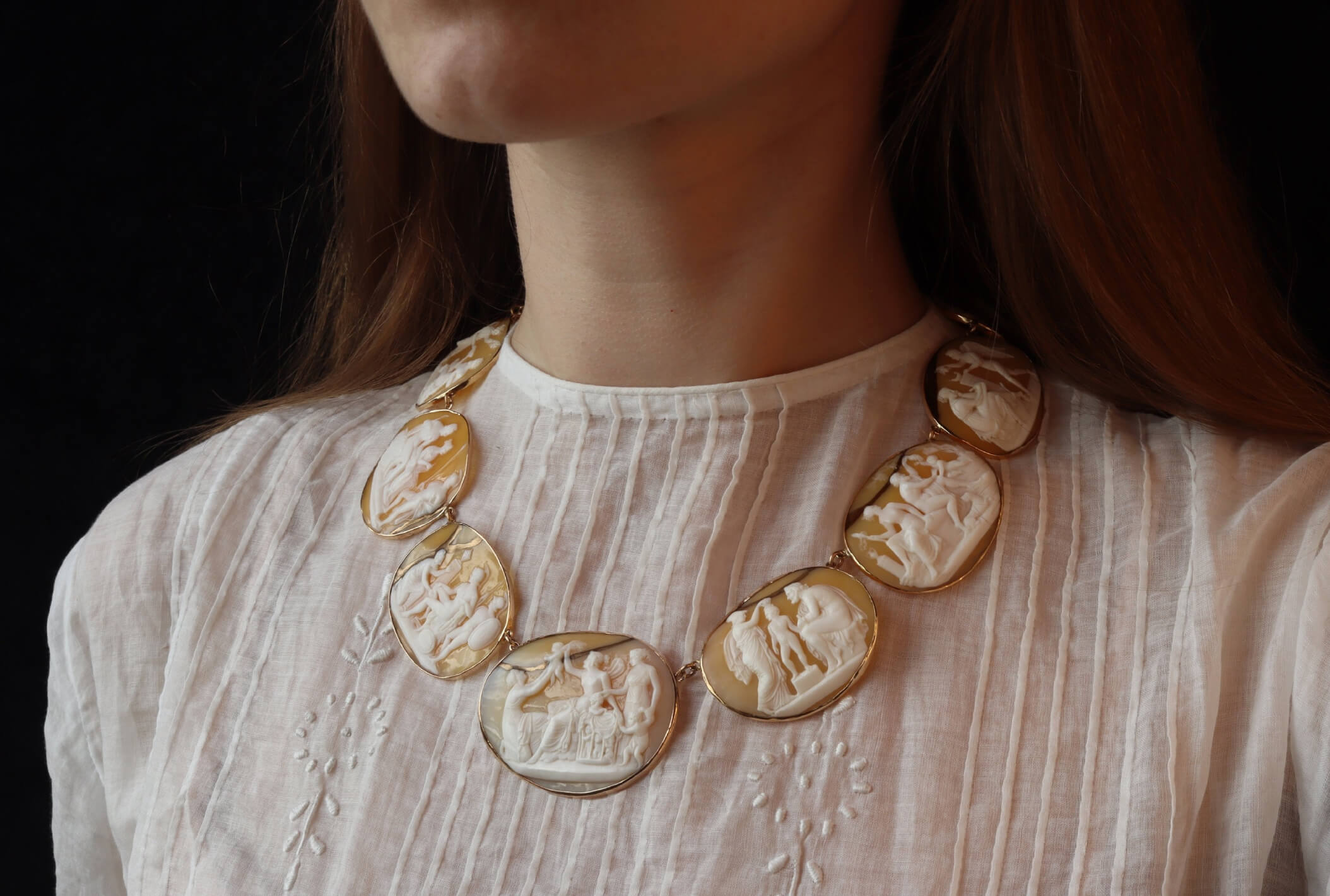
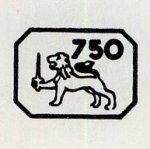
In antique and vintage jewellery, you may encounter a variety of hallmarks, with up to 19 different types recorded. While it is rare to find all of these marks on a single piece, most items typically bear between two and five hallmarks.
It is essential to distinguish official hallmarks from simple markings, which are often just numerical stamps such as 750 or 925, indicating metal fineness. These numbers, applied by manufacturers, do not always guarantee the actual purity of the metal.
These hallmarks can provide valuable information about a piece of jewellery, including:
- The year it was created
- The historical period or style of the piece
- The maker’s identity
- The alloy composition (if multiple precious metals were used, the item may bear several marks)
- The seller’s identity
- The assay master’s identity
- The designer’s identity
- The country of origin
- The state or province where it was made
- The city of manufacture
- The city where the piece was hallmarked
- The weight of the item at the time of hallmarking
- Any taxes or duties, such as a luxury tax or war tax
- The importer’s identity for a specific country
- The country of import
- The city of import
- The country of export
- The jubilee year of its creation
- The reigning monarch at the time of its creation
Some Dutch Hallmarks

Netherlands
oak leaf (1852-1906)

Netherlands
oak leaf (1906-1953)
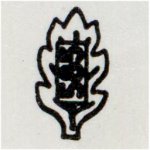
Netherlands
oak leaf (since 1953)
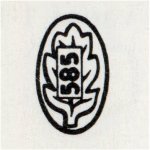
Netherlands
oak leaf (since 1953)

Netherlands
letter "i" (1852-1859)

Netherlands
letter "i" (1906-1953)
Some French Hallmarks


Next, we explore how design, fashion trends, commissioners, and users have influenced the evolution of antique and vintage jewellery throughout history.
Next Topic: Design, Fashion, Commissioners, Users