
Hermes, in Greek mythology, is the Olympian god of boundaries and of the travelers who cross them, of shepherds and cowherds, of thieves and road travellers, of orators and wit, of literature andpoets, of athletics, of weights and measures, of invention, of commerce in general, and of the cunning of thieves and liars.The analogous Roman deity is Mercury. The Homeric hymn to Hermes invokes him as the one :"of many shifts (polytropos), blandly cunning, a robber, a cattle driver, a bringer of dreams, a watcher bynight, a thief at the gates, one who was soon to show forth wonderful deeds among the deathless gods."
Hermes' iconography
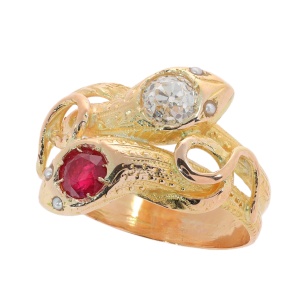
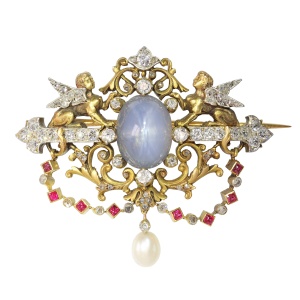
Hermes was usually portrayed wearing a broad-brimmed traveler's hat or a winged cap (petasus), wearing winged sandals (talaria), and carrying his Near Eastern herald's staff, either a caduceus entwinedby serpents, or a kerykeion, a (sometimes) winged staff with two snakes wrapped around it, topped with a symbol similar to the astrological symbol of Taurus the bull. Hermes wore the garments of atraveler, worker, or shepherd. He was represented by purses or bags, roosters and tortoises. When depicted as Hermes Logios, he was the divine symbol of eloquence, generally shown speaking with onearm raised for emphasis.See also: Olympian gods