
Jewellery's Dual Role: Function and Adornment Through Time

This glossary entry has not yet been updated and is under review.
Function of jewellery in various societies

Jewellery (also known as jewelry in the US) refers to decorative items worn for adornment and self-expression, regardless of their material composition. While jewellery can be made from a variety of substances, it is most commonly crafted from gemstones and precious metals. Whether worn, pierced, or draped upon the body, jewellery has long been used to signify social status, identity, or personal meaning.

The word "jewellery" originates from "jewel", which was anglicised from the Old French "jouel" around the 13th century. Tracing its roots further, the term derives from the Latin "jocale", meaning plaything. Jewellery is one of the oldest forms of bodily adornment, with the earliest pieces crafted from natural materials such as bone, animal teeth, shells, wood, and carved stone. Historically, jewellery was often worn by individuals of high status as a symbol of their power or importance, and in many cultures, these treasured items were buried with their owners upon death.

The choice of jewellery is often deeply influenced by cultural and societal values. In some indigenous communities, a rare bead or shell necklace may hold as much significance as a large diamond in a Western context. For example, in contemporary jewellery history, few gemstones are as famous as the Cullinan diamond—one of the largest and most celebrated diamonds ever discovered.
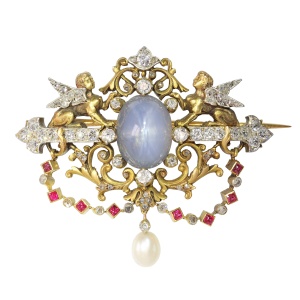
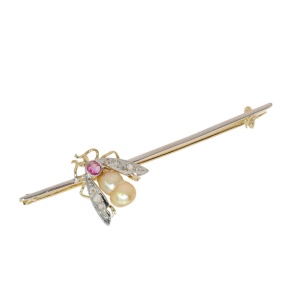
antique jewelry estate jewelry and vintage jewelry and its function
Adin Academy

Jewellery's Dual Role: Function and Adornment Through Time

No items found.
Function of jewellery in various societies

Jewellery (also known as jewelry in the US) refers to decorative items worn for adornment and self-expression, regardless of their material composition. While jewellery can be made from a variety of substances, it is most commonly crafted from gemstones and precious metals. Whether worn, pierced, or draped upon the body, jewellery has long been used to signify social status, identity, or personal meaning.

The word "jewellery" originates from "jewel", which was anglicised from the Old French "jouel" around the 13th century. Tracing its roots further, the term derives from the Latin "jocale", meaning plaything. Jewellery is one of the oldest forms of bodily adornment, with the earliest pieces crafted from natural materials such as bone, animal teeth, shells, wood, and carved stone. Historically, jewellery was often worn by individuals of high status as a symbol of their power or importance, and in many cultures, these treasured items were buried with their owners upon death.

The choice of jewellery is often deeply influenced by cultural and societal values. In some indigenous communities, a rare bead or shell necklace may hold as much significance as a large diamond in a Western context. For example, in contemporary jewellery history, few gemstones are as famous as the Cullinan diamond—one of the largest and most celebrated diamonds ever discovered.
Also known as:

References