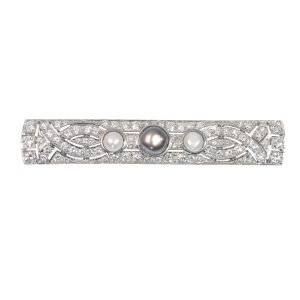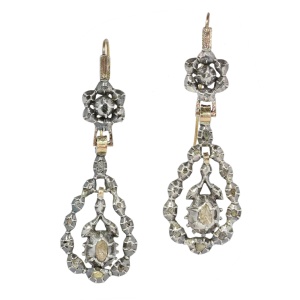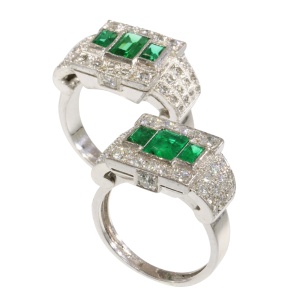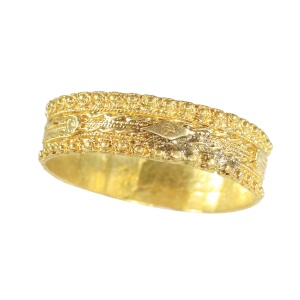

The appearance of the smooth surface of a mineral or some other substances due to the reflection that results from light striking the surface. It is a quality of opaque or translucent stones.There are several kinds of lustre:metallic: the most brilliant, as shown by polished metals and many metallic minerals, e.g. crystalline hematite; adamantine, characteristic of diamondsvitreous: as shown by ruby, sapphire, and glassresinous: as shown by amber and other resins, a greasy lustre and a waxy lustre being rather similarpearly: as seen on the surface of pearls and on the cleavage faces of some crystalssilky: as shown by cat's-eye and other fibrous mineralsLustre is seen on a smooth surface where ridges are present to reflect the light in many directions. The degrees of lustre, indicating intensity, are 'splendent' (mirror-like), 'shining' (indistinct),'glistening' (feeble), and 'dull' (almost none).Lustre should not be confused with sheen.
Lustre
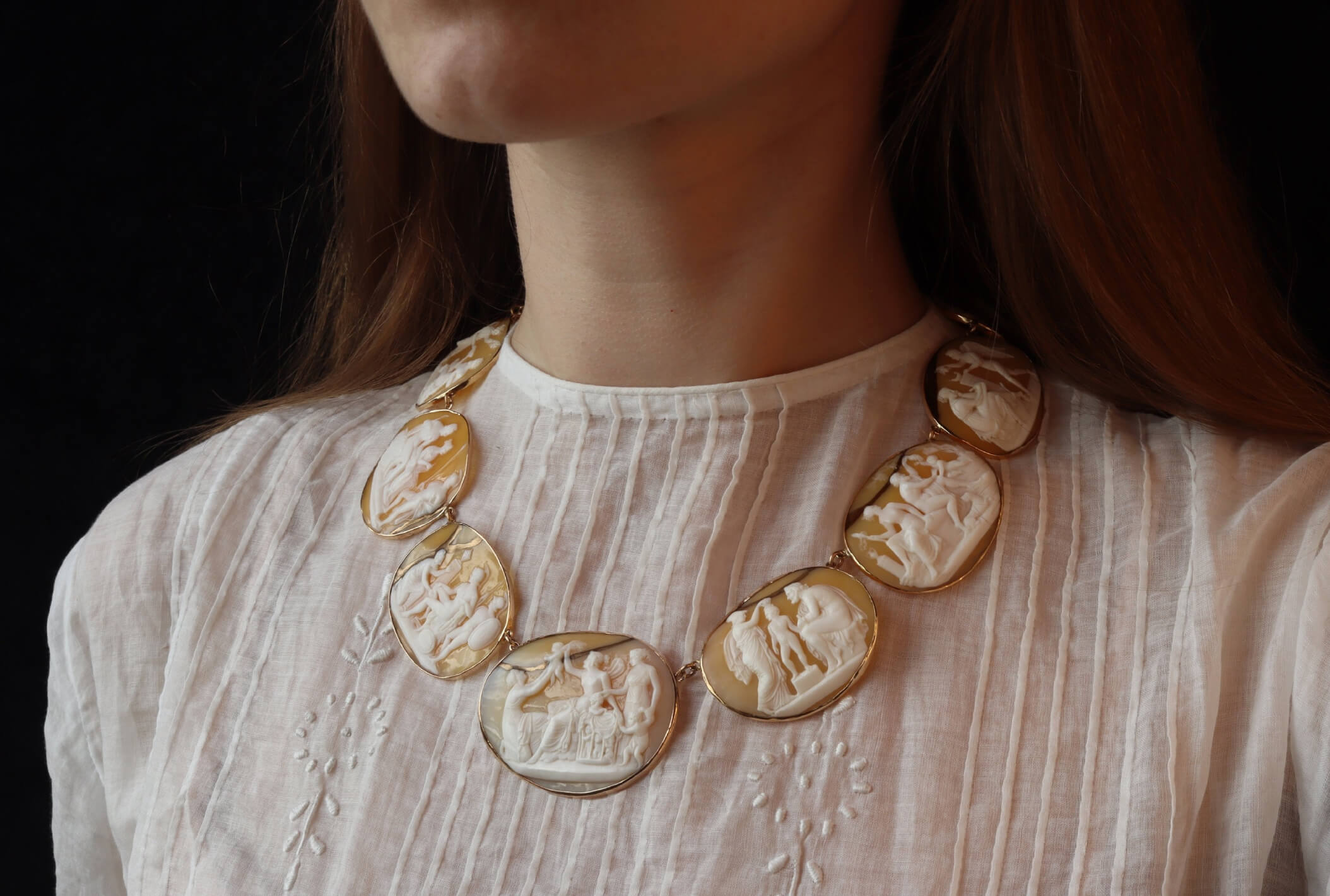
Lustre
The appearance of the smooth surface of a mineral or some other substances due to the reflection that results from light striking the surface. It is a quality of opaque or translucent stones.There are several kinds of lustre:metallic: the most brilliant, as shown by polished metals and many metallic minerals, e.g. crystalline hematite; adamantine, characteristic of diamondsvitreous: as shown by ruby, sapphire, and glassresinous: as shown by amber and other resins, a greasy lustre and a waxy lustre being rather similarpearly: as seen on the surface of pearls and on the cleavage faces of some crystalssilky: as shown by cat's-eye and other fibrous mineralsLustre is seen on a smooth surface where ridges are present to reflect the light in many directions. The degrees of lustre, indicating intensity, are 'splendent' (mirror-like), 'shining' (indistinct),'glistening' (feeble), and 'dull' (almost none).Lustre should not be confused with sheen.
References
From: An Illustrated Dictionary of Jewelry, autor: Harold Newman, publishers: Thames and Hudson