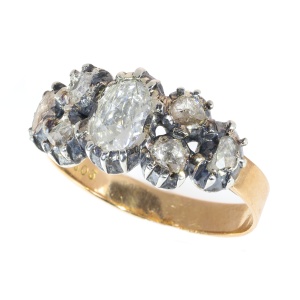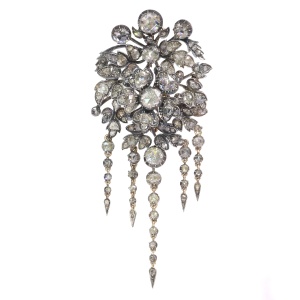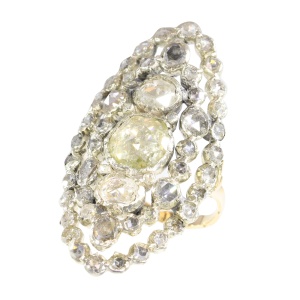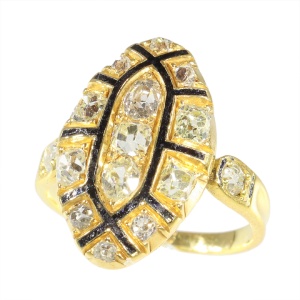

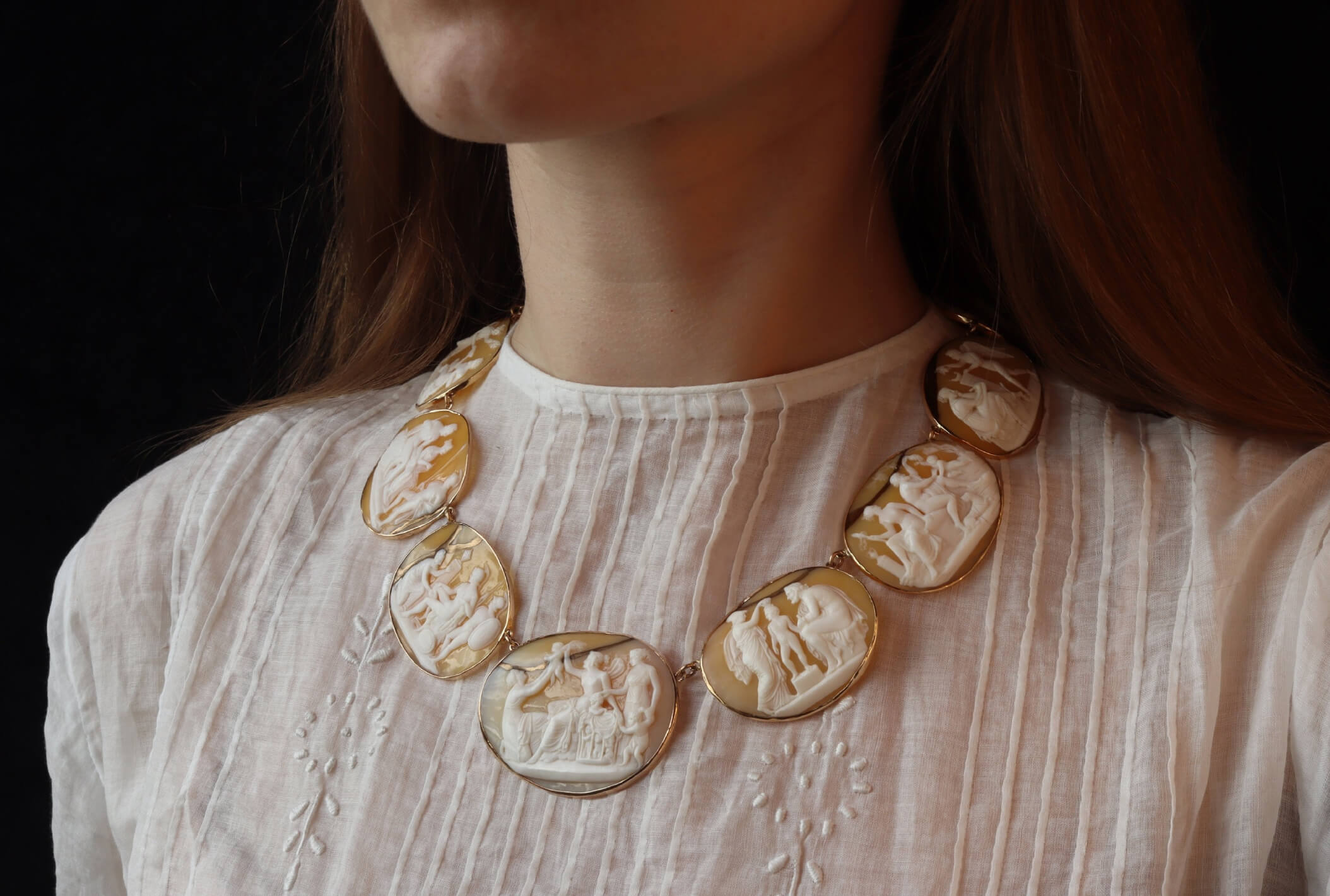
See our: pendants.An article suspended from a neck chain or necklace (some Renaissance pieces were fastened to the sleeve), either as an auxiliary decoration or as an object worn for its own sake. Examples of thelatter type include an amulet, locket, miniature, pectoral cross or reliquary, but also an ornamental piece of jewelry, usually made of gold or silver, enamelled or set with gemstones or consistingprimarily of a large gemstone alone or a cluster of pearls or small stones.Most pendants are worn as ornaments but often they are an article of devotional jewelry, mourning jewelry, or magical jewelry, not primarily decorative, evidenced by being worn sometimes under abodice. Pendants vary greatly in style and size, from the simple primitive examples to the symbolic ones of the Middle Ages and the elaborate jewelled ones of the Renaissance and modern times.
Pendant
Pendant
See our: pendants.An article suspended from a neck chain or necklace (some Renaissance pieces were fastened to the sleeve), either as an auxiliary decoration or as an object worn for its own sake. Examples of thelatter type include an amulet, locket, miniature, pectoral cross or reliquary, but also an ornamental piece of jewelry, usually made of gold or silver, enamelled or set with gemstones or consistingprimarily of a large gemstone alone or a cluster of pearls or small stones.Most pendants are worn as ornaments but often they are an article of devotional jewelry, mourning jewelry, or magical jewelry, not primarily decorative, evidenced by being worn sometimes under abodice. Pendants vary greatly in style and size, from the simple primitive examples to the symbolic ones of the Middle Ages and the elaborate jewelled ones of the Renaissance and modern times.
References
From: An Illustrated Dictionary of Jewelry, autor: Harold Newman, publishers: Thames and Hudson