

A style of cutting a diamond (and some other transparent gemstones) that provides a large surface area with good total internal reflection while permitting economical use of the material. After acrystal has been sawn into thin parallel plates (about 1,5 mm thick), each plate is cut into any desired shape, then the top is polished and the bottom cut with a series of narrow, parallel V-shapedgrooves (if all are parallel, the appearance is a series of baguette cut stones, but it criss-crossed they appear as small step cut stones; a border is then added of variously-shaped facets.The process was invented in 1961 by Arpad Nagy, a London cutter, and was originally called the 'princess cut'.
Profile Cut
This glossary entry has not yet been updated and is under review.
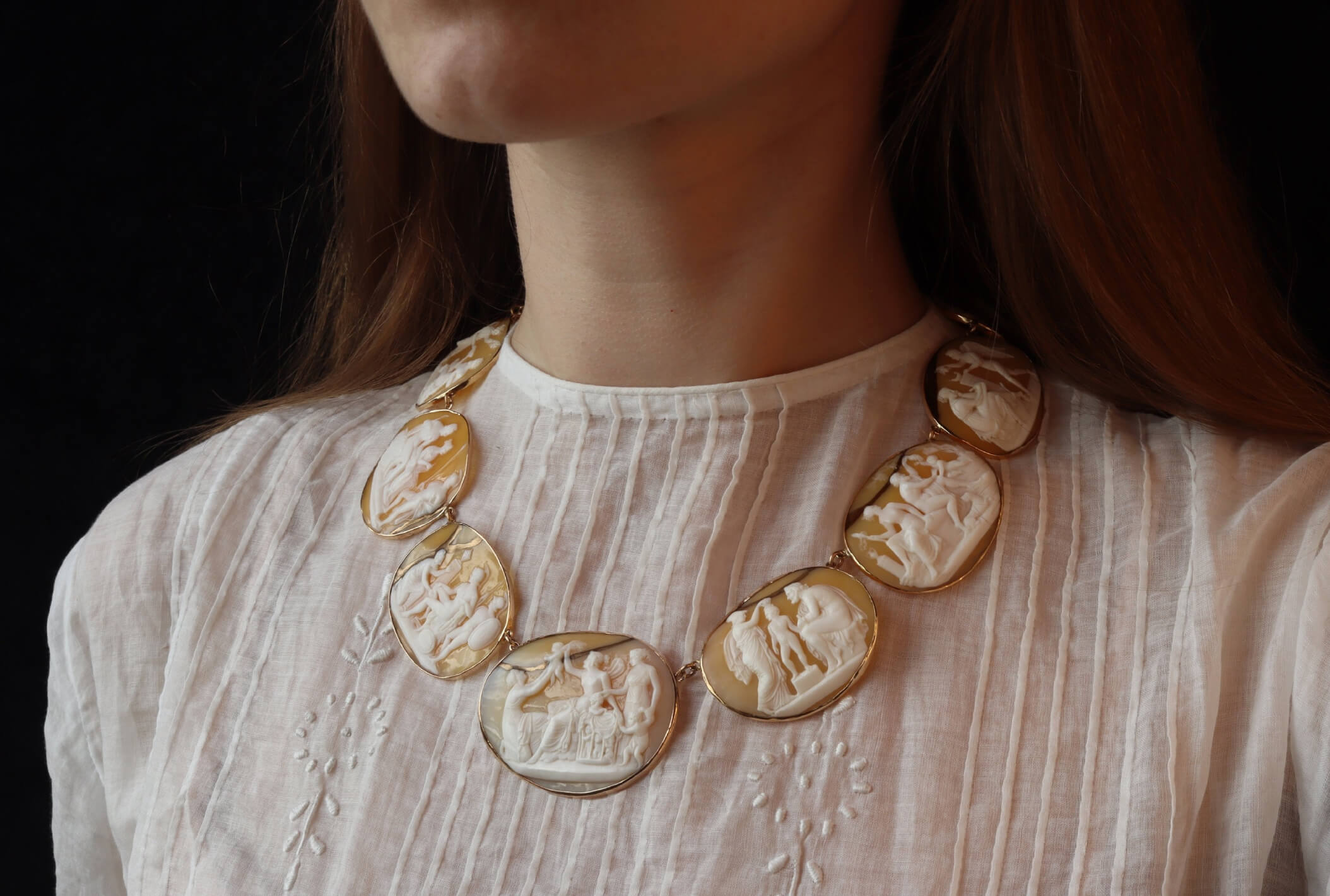
Explanation on profile cut by Adin antique jewelry
Adin Academy
Profile Cut
No items found.
A style of cutting a diamond (and some other transparent gemstones) that provides a large surface area with good total internal reflection while permitting economical use of the material. After acrystal has been sawn into thin parallel plates (about 1,5 mm thick), each plate is cut into any desired shape, then the top is polished and the bottom cut with a series of narrow, parallel V-shapedgrooves (if all are parallel, the appearance is a series of baguette cut stones, but it criss-crossed they appear as small step cut stones; a border is then added of variously-shaped facets.The process was invented in 1961 by Arpad Nagy, a London cutter, and was originally called the 'princess cut'.
Also known as:
References
From: An Illustrated Dictionary of Jewelry, autor: Harold Newman, publishers: Thames and Hudson
Want to share your feedback or input on this Academy article?
Thank you! Your submission has been received!
Oops! Something went wrong while submitting the form.