

A stone believed in the Middle Ages and even later to possess magical or healing powers (apart from the setting or any inscriptions on it). Such beliefs and traditions extend far back into antiquity,but sometimes had some recognizable basis in the nature of the stone, e.g. a transparent hard diamond to make the wearer invincible, a purple amethyst to prevent intoxication, a bloodstone to stopbleeding, an emerald (impervious to light) to aid eyesight, etc. Some minerals and other substances were similarly regarded as magical, e.g. toadstone, adder stone, narwhal ivory ('unicorn horn'),eagle stone, swallow stone, bezoar stone.Some such substances were administered in powdered form as medicine until the early 18th century.
Magical Stone
This glossary entry has not yet been updated and is under review.
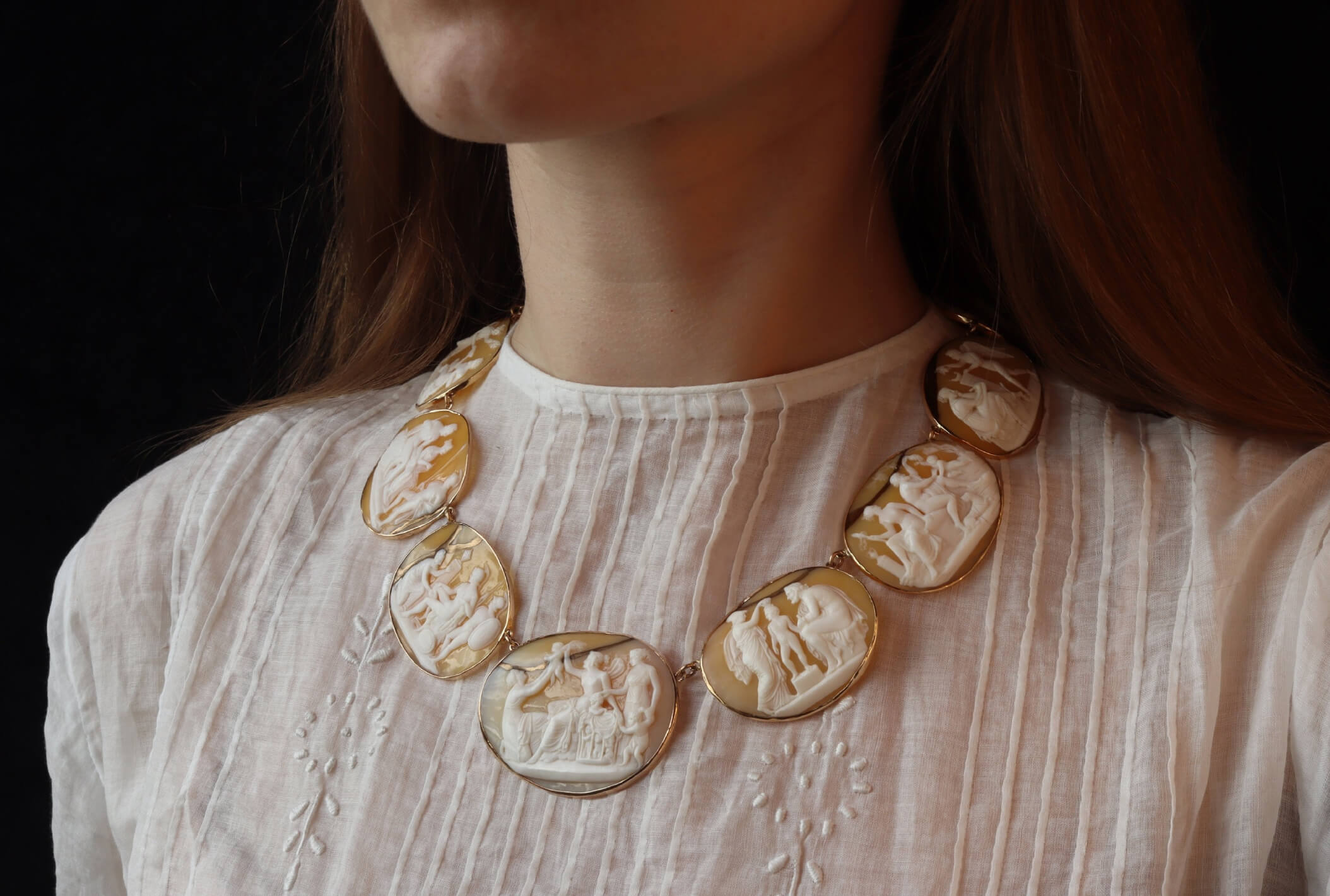
Explanation on magical stone by Adin antique jewelry
Adin Academy
Magical Stone
No items found.
A stone believed in the Middle Ages and even later to possess magical or healing powers (apart from the setting or any inscriptions on it). Such beliefs and traditions extend far back into antiquity,but sometimes had some recognizable basis in the nature of the stone, e.g. a transparent hard diamond to make the wearer invincible, a purple amethyst to prevent intoxication, a bloodstone to stopbleeding, an emerald (impervious to light) to aid eyesight, etc. Some minerals and other substances were similarly regarded as magical, e.g. toadstone, adder stone, narwhal ivory ('unicorn horn'),eagle stone, swallow stone, bezoar stone.Some such substances were administered in powdered form as medicine until the early 18th century.
Also known as:
References
From: An Illustrated Dictionary of Jewelry, autor: Harold Newman, publishers: Thames and Hudson
Want to share your feedback or input on this Academy article?
Thank you! Your submission has been received!
Oops! Something went wrong while submitting the form.